Every year, hundreds of workers suffer serious injuries—or worse—from unexpected machine startups during maintenance. These tragedies are preventable. At the core of industrial safety lies a simple but powerful system: lockout and tagout procedures. When followed correctly, they isolate energy sources, protect personnel, and maintain regulatory compliance. Yet, missteps in execution turn these safeguards into false confidence. Understanding the difference between tagout and lockout, knowing when to use each, and implementing them consistently is not just policy—it’s a lifeline.
What Are Lockout and Tagout Procedures?
Lockout and tagout (LOTO) are safety procedures used to ensure that dangerous machines and energy sources are properly shut off and cannot be restarted before maintenance or servicing is complete. The goal is to protect workers from hazardous energy release—mechanical, electrical, hydraulic, pneumatic, chemical, or thermal.
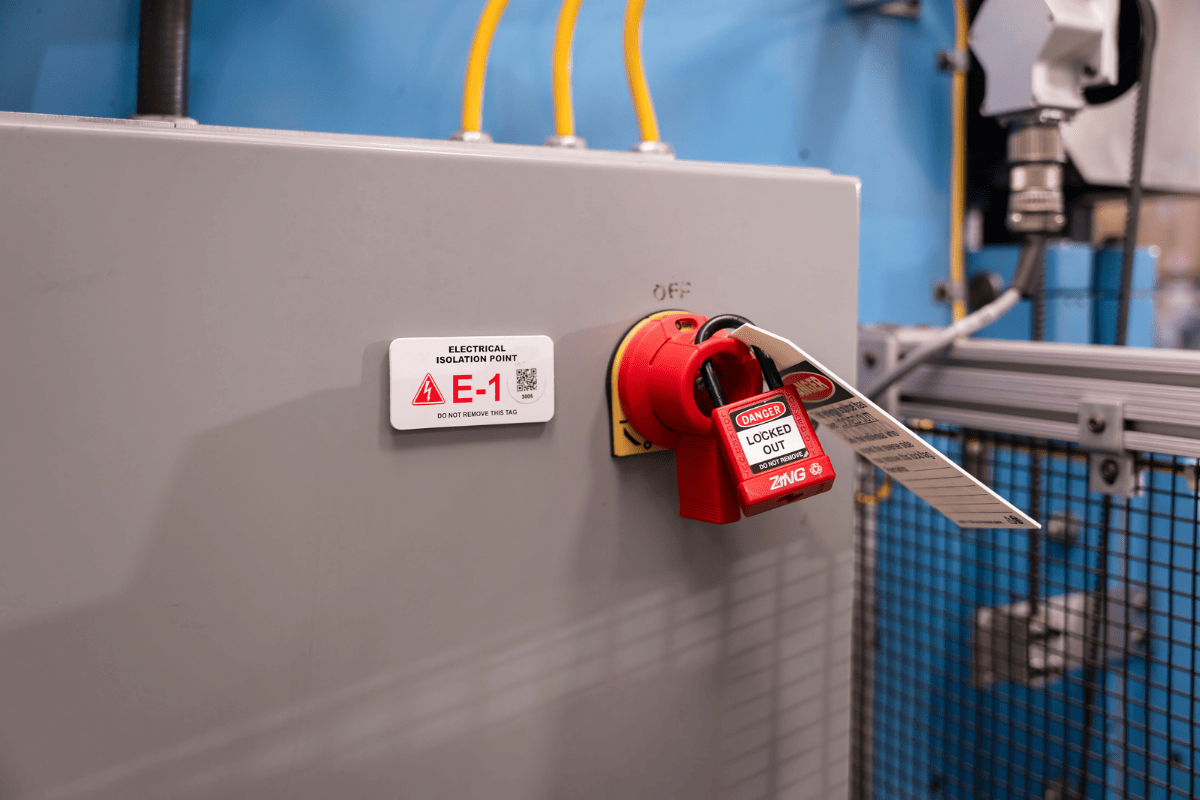
Lockout involves physically locking energy-isolating devices—like circuit breakers or valve handles—with a personal lock. Only the worker who applied the lock can remove it, ensuring direct control.
Tagout, in contrast, uses a warning tag attached to the energy source. It signals that the equipment is not to be operated, but it doesn’t physically prevent activation. Because of this, tagout alone is considered less secure unless supplemented with additional safety measures.
OSHA’s standard 29 CFR 1910.147 sets the legal framework for LOTO in the U.S., mandating strict adherence across general industry. While lockout is the preferred method, tagout may be used when energy-isolating devices aren’t designed for locks—provided extra steps are taken to ensure safety.
Why Lockout Beats Tagout in Most Scenarios
Lockout provides a physical barrier to re-energizing equipment. Tagout relies on awareness and compliance. In high-risk environments, that difference is critical.
Consider a technician servicing a conveyor system. If a coworker unknowingly resets a tagged switch, the conveyor could reactivate—potentially crushing limbs or pulling in loose clothing. A lock, however, prevents that reset entirely.
Tagout should only be used when: - The equipment lacks a lockable disconnect - The employer can prove tagout provides equivalent protection - Additional safety steps (like secondary isolation or continuous supervision) are in place
Even then, OSHA requires tagout programs to include written procedures, employee training, and periodic inspections—just like lockout.
Real-World Gap: A 2023 incident at a Midwest packaging plant revealed that 60% of maintenance staff assumed tagged equipment was safe to bypass. Only after a near-miss did the company enforce mandatory lock use across all energy points.
Key Steps in a Standard LOTO Procedure
A successful LOTO process isn’t just about slapping on a tag or lock. It’s a sequence of deliberate actions:

- Preparation
- Identify all energy sources powering the equipment. This includes primary (electrical) and secondary (stored hydraulic pressure, gravity-fed systems).
- Notification
- Inform all affected employees that a shutdown is about to occur.
- Equipment Shutdown
- Use normal stopping procedures (e.g., pressing stop buttons, closing valves).
- Isolation
- Shut off all energy sources using disconnects, blocks, or valves.
- Lockout/Tagout Application
- Apply personal locks or tags to each energy-isolating device. Each lock must be uniquely keyed to the individual worker.
- Stored Energy Dissipation
- Bleed, block, or ground residual energy (e.g., release compressed air, drain capacitors).
- Verification of Isolation
- Attempt to restart the machine (using controls only) to confirm it won’t start. Return to zero energy state afterward.
- Restoration
- After work is complete, remove tools, re-energize only after ensuring the area is clear, and notify personnel.
Skipping any step—especially verification—creates risk. One automotive parts facility reported a fatality when a technician skipped testing isolation, assuming a circuit was dead. It wasn’t.
Common Mistakes That Undermine LOTO Safety
Even with procedures in place, human error and poor culture erode protection:
- Group Lockout Confusion
- In multi-person jobs, each worker must apply their own lock. Using a single lock or a “master key” system defeats the purpose.
- Improper Lock Removal
- Removing a lock when the owner isn’t present requires a formal, documented process. Too often, supervisors bypass this under time pressure.
- Tag Reliance Without Backup
- Using tags on equipment that supports lockout is a violation. Tags alone don’t physically stop energy flow.
- Inadequate Training
- Authorized employees (those performing LOTO) and affected employees (those operating equipment) have different training needs. Mixing them up leads to confusion.
- Lack of Periodic Audits
- OSHA requires annual inspections of LOTO procedures. Many companies skip or rush them, missing critical flaws.
One food processing plant reduced LOTO-related incidents by 78% after introducing surprise audits and video-based training that recreated past near-misses.
Energy Control in Complex Systems: Practical Examples
Not all machines are simple on/off devices. Real-world systems often involve multiple energy types and interlocks.
Example 1: Hydraulic Press in a Stamping Facility - Energy sources: Electrical (motor), hydraulic (pressurized fluid), mechanical (flywheel inertia) - LOTO steps: - Shut down via control panel - Isolate main disconnect and hydraulic valve - Lock both with personal locks - Depressurize hydraulic lines using bleed valves - Block the ram from descending - Verify by attempting startup (no movement)
Example 2: Conveyor System in a Warehouse - Energy sources: Electrical (drive motor), gravity (incline sections) - Precaution: Install mechanical stops on inclines to prevent roll-down - Lockout point: Motor starter disconnect - Additional step: Use lockout hasps to allow multiple workers to apply locks during team maintenance

In both cases, a one-size-fits-all approach fails. Procedures must be machine-specific and documented.
Tools and Devices That Strengthen LOTO Execution Using the right equipment reduces errors and speeds up compliance. Here are five essential tools:
| Tool | Purpose | Best Use Case |
|---|---|---|
| Personal Locks | Individual control over energy isolation | Every authorized employee should have their own lock |
| Lockout Hasps | Allow multiple locks on a single disconnect | Group maintenance tasks |
| Tagout Devices | Warning tags with durable materials | Situations where lockout isn't feasible |
| Valve Lockouts | Prevent accidental valve reopening | Pneumatic, hydraulic, or gas line isolation |
| Breaker Lockouts | Secure circuit breakers in off position | Electrical panels and control circuits |
Other useful items include lockout stations (centralized kits), lockout logbooks, and energy isolation checklists. High-risk environments may also use lockout verification testers—devices that confirm circuits are de-energized.
When Tagout Is Acceptable (And When It’s Not)
Tagout isn’t inherently unsafe—but it’s conditionally acceptable. OSHA allows its use only when one of these applies: - The machine has no provision for lockout - The tagout program provides full employee protection through additional measures
Acceptable supplemental controls include: - Remote isolation monitored by a supervisor - Continuous direct supervision during servicing - Double-valve closure with bleed between - Physical restraints or blank flanges
If any of these can’t be implemented, tagout is not permitted. For example, a chemical plant servicing a pipeline with only a single shutoff valve must either install a lockable second valve or use a double-block-and-bleed system before tagout is viable.
Building a Culture Where LOTO Is Non-Negotiable
Procedures mean little without accountability. The best LOTO programs combine clear rules with cultural reinforcement.
- Leadership Involvement: Supervisors must model LOTO compliance. No exceptions—even for “quick fixes.”
- Clear Visuals: Post machine-specific LOTO procedures near equipment with diagrams.
- Empowerment: Workers should feel safe stopping work if LOTO isn’t followed.
- Recognition: Reward teams that maintain perfect LOTO records.
- Drills: Conduct unannounced LOTO simulations to test response and knowledge.
A paper mill in Oregon cut downtime and injuries by integrating LOTO checks into daily safety huddles—turning compliance into routine.
Final Steps to Ensure LOTO Success
Lockout and tagout procedures are more than regulatory checkboxes. They’re foundational to protecting lives. To implement them effectively: - Develop machine-specific energy control procedures - Train authorized and affected employees separately - Conduct annual audits with documented corrections - Invest in quality lockout devices - Eliminate tagout wherever physical lockout is possible
Safety isn’t achieved by accident. It’s built through discipline, clarity, and consistent action. Start today: review one LOTO procedure, verify it’s being followed, and fix what’s broken. Every lock applied is a risk denied.
Frequently Asked Questions
What’s the difference between lockout and tagout? Lockout physically prevents equipment from being energized using a lock. Tagout uses a warning tag but doesn’t block activation, making it less secure.
Can tagout be used instead of lockout? Only when lockout isn’t feasible and additional protective measures are in place, such as continuous supervision or secondary isolation.
Who is responsible for applying lockout devices? Each authorized employee performing servicing must apply their own personal lock and tag.
How often should LOTO procedures be inspected? OSHA requires at least one annual inspection of each energy control procedure, with documentation and correction of deficiencies.
What happens if someone removes a lock prematurely? It’s a serious violation. Locks should only be removed by the person who applied them, or through a formal, documented procedure if they’re absent.
Do LOTO rules apply to corded tools? Yes. If a tool is being serviced and could be energized, the cord must be unplugged and the plug locked out or controlled by the worker.
Are battery-powered devices covered under LOTO? Yes. Batteries are energy sources. They must be disconnected, isolated, or disabled during maintenance.
FAQ
What should you look for in Mastering Tagout and Lockout Procedures for Workplace Safety? Focus on relevance, practical value, and how well the solution matches real user intent.
Is Mastering Tagout and Lockout Procedures for Workplace Safety suitable for beginners? That depends on the workflow, but a clear step-by-step approach usually makes it easier to start.
How do you compare options around Mastering Tagout and Lockout Procedures for Workplace Safety? Compare features, trust signals, limitations, pricing, and ease of implementation.
What mistakes should you avoid? Avoid generic choices, weak validation, and decisions based only on marketing claims.
What is the next best step? Shortlist the most relevant options, validate them quickly, and refine from real-world results.