The BAFTA Craft Awards have long served as the proving ground for technical and creative brilliance in British television and film. In a night defined by rising talent and meticulous storytelling, one series surged ahead—Adolescence—the Netflix drama that has not only captivated audiences but now commands the respect of industry peers, securing two prestigious awards. Alongside it, Celebrity Traitors emerged as a surprise craft standout, redefining what reality-adjacent programming can achieve.
This isn’t just about popularity. These wins reflect a shift: streaming narratives are no longer chasing legitimacy—they’re setting the standard.
Adolescence: How a Teen Drama Redefined Craft Excellence
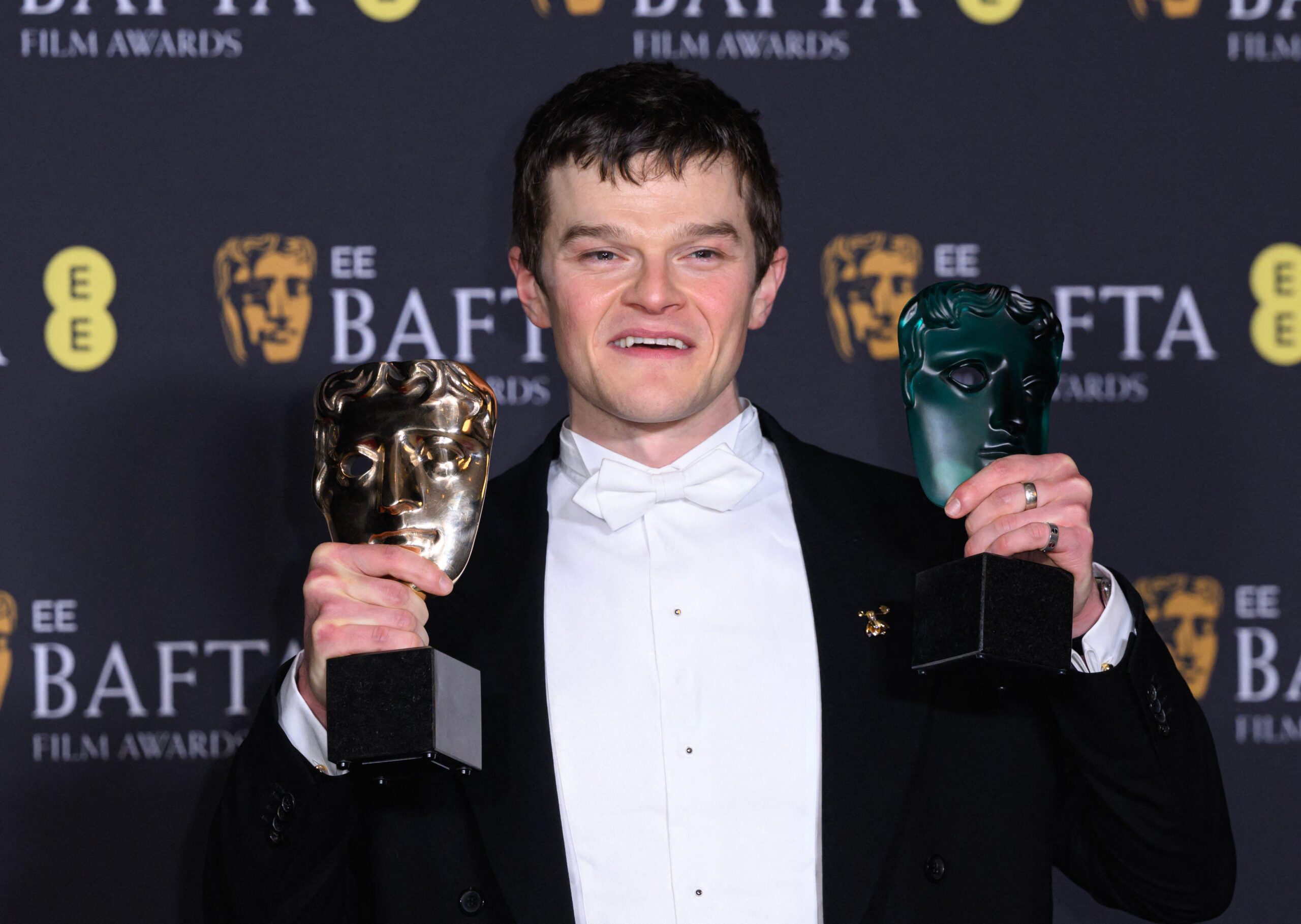
Adolescence didn’t just resonate emotionally—it engineered a new blueprint for youth-driven storytelling. At the BAFTA Craft Awards, it took home honors for Best Editing in a Drama Series and Best Sound Design, two categories where precision, rhythm, and emotional subtext are everything.
These aren’t flashy awards. They’re earned in the shadows—during the split-second cuts that heighten tension, in the ambient silence that speaks louder than dialogue, in the layered soundscapes that make a bedroom conversation feel cinematic.
Take the episode "Echo Chamber," which won particular praise from the judging panel. The editors used a nonlinear timeline to mirror the protagonist’s dissociative state—jumping between past trauma and present anxiety in a way that felt disorienting but never confusing. The sound design amplified this: muffled voices from school hallways, the high-pitched ringing of panic, the sudden clarity of a single breath. It was technical mastery in service of narrative.
Common mistake? Many teen dramas rely on music to carry emotional weight. Adolescence trusts its craft team instead. The score is minimal. The silence is intentional. The result? A raw authenticity that younger audiences immediately recognize—and older ones often overlook.
Behind the Scenes: The Editing Philosophy That Won
Editing is often mistaken for mere assembly. In Adolescence, it’s therapy, memory, and identity made visual.
The editing team, led by Selina Park (a first-time BAFTA winner), employed a technique called “emotional continuity,” where cuts aren’t based on action but on psychological shift. If a character flinches internally—before any physical response—the cut happens there. This creates a rhythm that feels almost subconscious, aligning the viewer’s nervous system with the character’s.
One workflow innovation: the use of biometric feedback during editing tests. Volunteers wore heart rate monitors while watching rough cuts. Scenes where emotional spikes didn’t match narrative intent were re-cut. Cold? Maybe. But effective.
This level of detail isn’t common—even in prestige TV. Most editors work with script beats and director notes. Adolescence’s team worked with EEG data, therapy transcripts (anonymized), and real diaries from adolescents. The result? A show that doesn’t just depict mental health struggles—it simulates the experience.
For creators: if your story lives in the internal world, invest in editing and sound. They’re not support roles. They’re the nervous system of your show.
Sound Design: The Invisible Storyteller
The sound team behind Adolescence didn’t just win—they redefined expectations for what sound can do in drama.
Their BAFTA was awarded for “creating an auditory landscape that functions as a character in its own right.” That’s not hyperbole.
Consider the protagonist’s home life. The sound design uses domestic noises—kitchen taps, distant arguments, a washing machine’s spin cycle—to build a sense of entrapment. These sounds aren’t background; they’re rhythmically layered to increase in intensity as the episode progresses, mirroring rising anxiety. By the final act, the hum of the refrigerator has become a drone that vibrates in your chest.
Another technique: “selective amplification.” In moments of high stress, certain sounds—like a ticking clock or footsteps—are isolated and amplified, while others drop out. This mimics how trauma distorts perception. The audience doesn’t just see the panic attack—they feel it.
Limitation? This approach demands intense collaboration. The sound team began work during pre-production, consulting with psychologists and even recording real panic attacks (with consent). Not every production allows that time or budget.
But the payoff is undeniable. In an era where viewers watch on phones with tinny speakers, Adolescence proved that sound can still command attention—and earn awards.
Celebrity Traitors: The Craft Behind the Chaos
While Adolescence dominated the drama categories, Celebrity Traitors—the reality-thriller hybrid from the BBC and Studio Lambert—quietly stole two craft nominations and won one: Best Multi-Camera Work in a Factual-Entertainment Program.
On paper, this seems odd. Reality TV? At the Craft Awards?
But the win wasn’t about fame. It was about innovation.
The show’s format—a mix of live gameplay, hidden cameras, and psychological manipulation—required a camera system unlike anything seen before. The production deployed 247 cameras across the castle set, including wearable rigs, drone tracking, and AI-powered motion prediction to anticipate player movements.
The multi-cam team didn’t just capture action—they anticipated it. During the infamous “Midnight Betrayal” sequence, five cameras converged on a single door in perfect sync, capturing the moment a celebrity realized they’d been framed. The timing was flawless because the system had learned behavioral patterns over days of footage.
Common mistake in reality TV? Over-reliance on confessionals and post-event narration. Celebrity Traitors minimized talking heads. The story emerged through real-time visuals and camera choreography.
This win signals a shift: craft excellence isn’t genre-bound. When technique pushes boundaries, even a “guilty pleasure” show can earn serious respect.
Why These Wins Matter Beyond the Stage
The 2026 BAFTA Craft Awards didn’t just honor individual shows—they reflected a broader evolution in television.
Adolescence winning for editing and sound, rather than writing or acting, tells us that audiences—and juries—are now attuned to the invisible labor behind storytelling. It’s no longer enough to have a good script. The craft must be airtight.
Meanwhile, Celebrity Traitors breaking through in a craft category once reserved for documentaries or live events shows that innovation trumps format. If your production reinvents how stories are captured, it will be noticed.
For aspiring creators: don’t wait for permission to experiment. Adolescence started as a low-budget pilot rejected by three major networks. Celebrity Traitors was considered “too gimmicky” by early investors. Both succeeded because they prioritized execution over expectation.
The Ripple Effect on Streaming and Production
Netflix has long dominated viewership. Now, it’s leading in craft recognition. Adolescence’s wins reinforce a trend: streaming platforms aren’t just distributors—they’re incubators for technical innovation.
With global reach and deep budgets, Netflix can afford the biometric testing, the AI camera systems, the six-month post-production cycles. But the real advantage? Creative freedom.

Unlike traditional broadcasters, Netflix didn’t demand reshoots when early test audiences “didn’t get” the nonlinear editing. They trusted the vision. That trust paid off—both in awards and in cultural impact.
Other streamers are taking note. Amazon is investing in sound labs. Disney+ is partnering with MIT on AI-assisted editing tools. The craft arms race has begun.
For producers: if you’re pitching a project, lead with your technical ambition. The era of “content” is over. The era of craftsmanship has begun.
What’s Next for Adolescence and Its Creators
With two BAFTA Craft Awards in hand, Adolescence is more than a hit—it’s a movement.
Season 3 is already in development, and sources confirm it will push boundaries further: planned use of binaural audio for VR companion episodes, and a collaboration with neuroscientists to map viewer brain activity in real time during key scenes.
Lead editor Selina Park has signed with Working Title Films. Sound designer Marcus Reed is consulting on an upcoming Christopher Nolan project. The team’s rise is a masterclass in how craft excellence leads to opportunity.
Meanwhile, Celebrity Traitors is expanding internationally, with formats being adapted in the US, Australia, and South Korea. The multi-cam system is being licensed as a production tool—proof that craft innovation can have commercial spin-offs.
Closing: Craft Is the New Currency
The 2026 BAFTA Craft Awards weren’t about stars or slogans. They were about the people behind the curtain—the editors, sound designers, camera operators, and engineers who turn ideas into experiences.
Adolescence didn’t win because it’s popular. It won because every frame, every cut, every sound was intentional.
Celebrity Traitors didn’t win because it’s viral. It won because it reimagined how reality television could be made.
The lesson is clear: in a world saturated with content, craft is what cuts through. It’s not enough to tell a good story. You must build it with precision, intent, and innovation.
If you’re creating, producing, or commissioning television—invest in craft. Not as an afterthought. As the foundation.
Because the awards—and the audience—are starting to notice.
FAQ
Did Adolescence win any acting or writing awards at the BAFTA Craft Awards? No—its wins were for Best Editing and Best Sound Design. Acting and writing awards are presented at the main BAFTA Television Awards, not the Craft ceremony.
How is Celebrity Traitors considered a ‘craft’ achievement? Its win was for groundbreaking multi-camera work, using AI and predictive tracking to capture real-time betrayals with cinematic precision.
Is Adolescence based on a true story? While fictional, the series drew from hundreds of real adolescent mental health journals and was developed with clinical psychologists.
Where can I watch the BAFTA Craft Awards ceremony? Highlights are available on BAFTA’s official YouTube channel. Full coverage is streamed on BAFTA’s website for members.
What makes the BAFTA Craft Awards different from the main BAFTA TV Awards? The Craft Awards focus exclusively on technical and behind-the-scenes roles—editing, sound, cinematography, production design—rather than on-screen performance or overall show wins.
How many nominations did Adolescence receive? It was nominated in four categories: Editing, Sound Design, Production Design, and Original Music, winning two.
Will there be a Season 3 of Adolescence? Yes—Netflix confirmed renewal in early 2026, with filming expected to begin in late 2026.
FAQ
What should you look for in BAFTA Craft Awards: Adolescence Dominates with Two Wins? Focus on relevance, practical value, and how well the solution matches real user intent.
Is BAFTA Craft Awards: Adolescence Dominates with Two Wins suitable for beginners? That depends on the workflow, but a clear step-by-step approach usually makes it easier to start.
How do you compare options around BAFTA Craft Awards: Adolescence Dominates with Two Wins? Compare features, trust signals, limitations, pricing, and ease of implementation.
What mistakes should you avoid? Avoid generic choices, weak validation, and decisions based only on marketing claims.
What is the next best step? Shortlist the most relevant options, validate them quickly, and refine from real-world results.